How to Store Wheat: Best Practices for Optimal Preservation
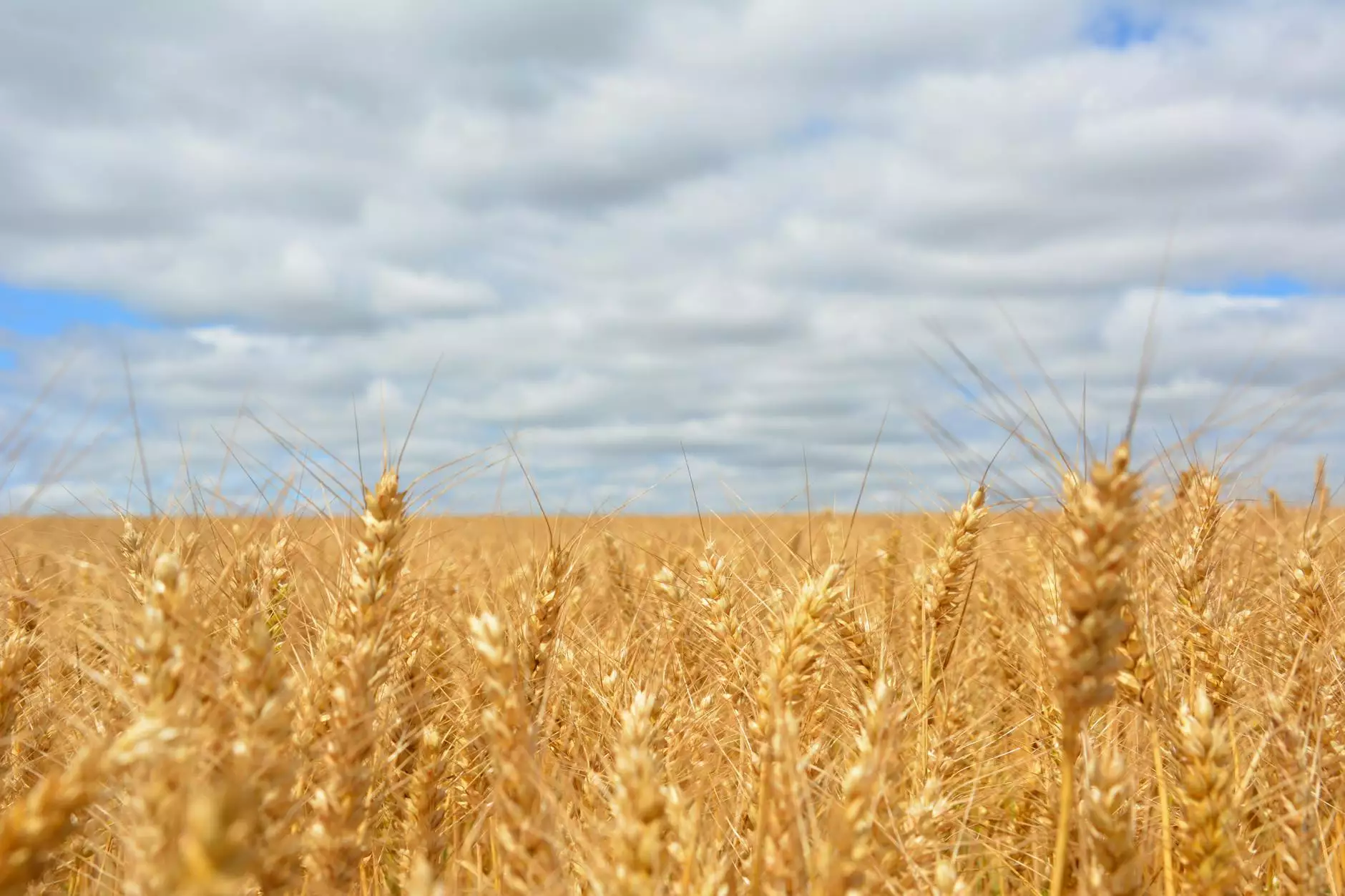
Storing wheat effectively is critical for any farmer or grain handler aiming to maintain the quality and safety of their product. Proper storage practices not only prevent spoilage but also protect against pests and environmental factors that could compromise the integrity of this essential grain. Whether you are a seasoned farmer or a novice, understanding how to store wheat is vital for ensuring successful crops and maximizing your harvest's economic potential. In this article, we will explore the best methods and tips for storing wheat, focusing on preserving its quality, preventing contamination, and maximizing its shelf life.
Understanding Wheat and Its Needs
Before diving into storage techniques, it's important to understand the nature of wheat itself. Wheat is a cereal grain that is susceptible to a range of factors that can affect its quality during storage. These include:
- Moisture: High moisture content can lead to mold growth and spoilage.
- Pests: Insects and rodents can infest stored grain causing contamination.
- Temperature: Extreme heat or cold can alter the quality and shelf life.
- Light: Exposure to light can degrade certain nutrients within the wheat.
Best Practices for Storing Wheat
1. Ideal Conditions for Storage
The ideal storage conditions for wheat involve controlling temperature, humidity, and ventilation. Here are the recommended conditions:
- Temperature: Store wheat in a cool environment, ideally between 32°F and 80°F (0°C to 27°C).
- Humidity: Keep the relative humidity below 14% for optimal storage.
- Ventilation: Adequate airflow is essential to prevent moisture buildup.
2. Choosing the Right Storage Containers
The choice of container significantly impacts wheat storage. Here are some commonly used options:
- Grain Bins: These are large, cylindrical containers that provide excellent protection against pests and moisture.
- Silos: Ideal for bulk storage, silos are designed to manage large quantities of grain efficiently.
- Bags: For smaller quantities, grain bags can be used, and they should be made from breathable materials to allow for proper air circulation.
- Metal Containers: These can deter pests and provide a moisture barrier.
3. Cleaning and Preparing Wheat for Storage
Before storing, it is essential to clean the wheat thoroughly. This includes:
- Removing Debris: Eliminate any chaff, dirt, or foreign materials.
- Inspecting for Infestation: Check for signs of pests or damage before storage.
- Drying: Make sure the wheat moisture content is below 14% to prevent mold growth and spoilage.
4. Monitoring and Maintaining Storage Conditions
Once the wheat is stored, continuous monitoring is essential. You can take the following measures:
- Regular Inspections: Check for signs of pests, moisture, or temperature fluctuations.
- Use of Aeration Systems: Consider using fans to circulate air and maintain low humidity levels.
- Temperature Monitoring: Install temperature and humidity sensors to track the storage environment.
5. Protecting Against Pests
Protecting your wheat from pests is crucial for maintaining grain integrity. Here are several strategies:
- Pest Control Measures: Use insecticides or traps designed for grain storage, following all safety guidelines.
- Seal Storage Containers: Ensure that all containers are tightly sealed to prevent pest entry.
- Regular Cleaning: Keep the storage area clean to minimize pest attraction.
The Role of Technology in Wheat Storage
Technology has a profound impact on how grain is stored and monitored. Innovations have made it easier to maintain ideal conditions. Some technologies to consider include:
- Smart Sensors: These devices monitor humidity and temperature and can send alerts to your smartphone.
- Automated Ventilation Systems: These systems can help control the environment inside silos or bins without manual intervention.
- Data Analytics: Using analytics tools to track and optimize storage practices can significantly reduce waste.
Conclusion
Storing wheat involves a series of well-planned strategies aimed at preserving quality and extending shelf life. By implementing the best practices discussed, including maintaining ideal storage conditions and employing preventive measures against pests, you can ensure that your wheat remains fresh and high-quality for as long as possible. Remember that modern technology can further enhance your storage practices, making it easier to monitor and maintain optimal conditions.
Investing in the right storage solutions not only maximizes the economic value of your harvest but also supports the broader agricultural economy by providing a stable supply of this essential grain. Be proactive, stay informed, and always prioritize quality storage practices to protect your wheat from the many challenges it faces.
For more information on farming equipment repair and efficient storage solutions, visit tsgcinc.com.