Understanding Direct Thermal Transfer Printers
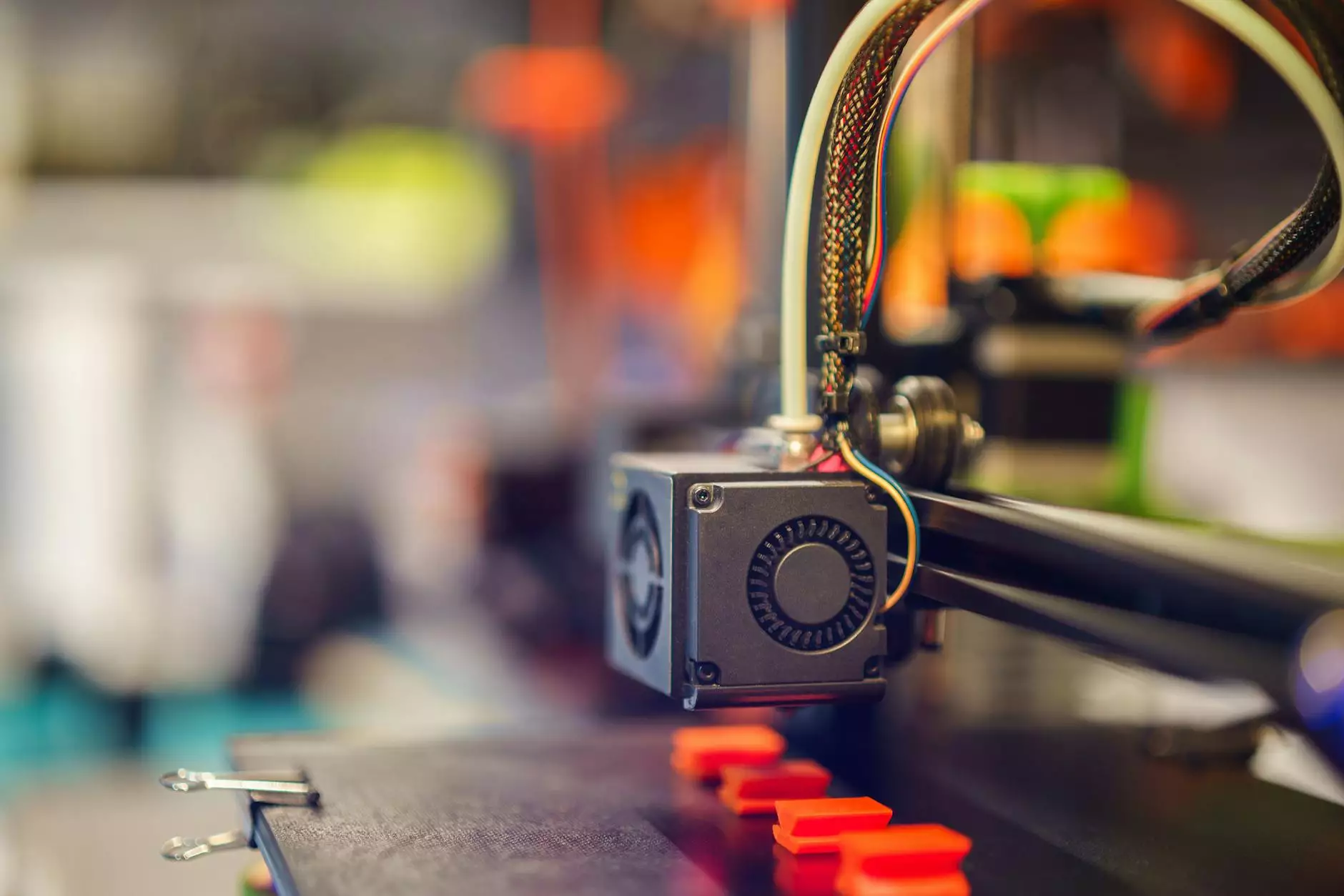
Direct thermal transfer printers have become pivotal for many businesses, especially in sectors such as logistics, retail, and manufacturing. These printers represent a significant advancement in printing technology, offering reliable, high-quality prints that are essential for efficient operations. In this comprehensive guide, we will explore the world of direct thermal transfer printers, detailing their functionality, advantages, and applications.
What is a Direct Thermal Transfer Printer?
A direct thermal transfer printer functions by using heat to transfer ink from a ribbon onto the print medium, typically labels or tags. The process is straightforward yet highly effective, making these printers ideal for various business needs.
How Do Direct Thermal Transfer Printers Work?
Direct thermal transfer printers operate using a thermal printhead that heats specific areas of a thermal transfer ribbon. When the ribbon is pressed against a substrate (like labels or packaging), the heat from the printhead melts the ink, which is then transferred onto the material. This creates clear and durable prints that can withstand various conditions.
Advantages of Direct Thermal Transfer Printers
Choosing a direct thermal transfer printer comes with several distinct advantages:
- High-Quality Prints: With the ability to produce sharp text and images, these printers ensure your labels are both recognizable and professional.
- Durability: Labels printed using this method are highly resistant to scratches, smudges, and fading, which is essential for long-term usage.
- Cost-Effectiveness: While the initial investment might be higher than other printing methods, the long-lasting prints can save money over time by reducing reprints.
- Speed: Direct thermal transfer printers typically deliver faster print speeds, making them suitable for high-volume printing tasks.
Applications of Direct Thermal Transfer Printers
The versatility of direct thermal transfer printers allows them to be used in various industries, including:
1. Retail and Inventory Management
In retail, accurate and clear labeling is critical. Direct thermal transfer printers are widely used for producing price tags, barcodes, and product labels, enhancing inventory management and customer service.
2. Shipping and Logistics
Logistics companies rely heavily on labels for packages. Direct thermal transfer printers efficiently create shipping labels that withstand various environmental factors during transport, ensuring that labels remain intact and readable.
3. Manufacturing
In manufacturing, tracking products through the supply chain is essential. Direct thermal transfer printers provide the labels necessary to comply with regulations and maintain quality control.
Choosing the Right Direct Thermal Transfer Printer
When selecting a direct thermal transfer printer, it is crucial to consider several factors:
1. Print Quality
A printer’s resolution is vital for producing high-quality labels. Choose a printer that offers at least 300 DPI (dots per inch) for clear, legible labels.
2. Print Speed
The speed of a printer can significantly impact operational efficiency. Look for printers that can handle the volume you need without compromising print quality.
3. Media Compatibility
Ensure that the printer can work with different media types (e.g., paper, plastic, etc.) and sizes to meet various labeling needs.
4. Connectivity Options
Modern printers offer multiple connectivity options such as USB, Ethernet, and wireless. Choose a printer that integrates seamlessly into your existing IT infrastructure.
Maintenance Tips for Direct Thermal Transfer Printers
To ensure optimal performance and longevity of your direct thermal transfer printer, consider the following maintenance tips:
- Regular Cleaning: Dust and debris can affect print quality. Regularly clean the printhead and rollers to maintain performance.
- Use Quality Supplies: Invest in high-quality ribbons and labels to prevent issues such as smudging and fading.
- Software Updates: Keep the printer’s firmware updated to benefit from enhancements and fixes.
- Monitor Print Quality: Regularly check printed labels for quality and adjust printer settings accordingly.
Environmental Considerations
As companies increasingly focus on sustainability, it’s essential to choose a direct thermal transfer printer that aligns with environmentally friendly practices. Here are some considerations:
- Eco-Friendly Materials: Opt for printers that support biodegradable or recyclable labels.
- Energy Efficiency: Choose models designed to consume less power.
Conclusion
The direct thermal transfer printer stands out as a reliable and versatile printing solution suitable for various business needs. By understanding its advantages, applications, and maintenance requirements, businesses can make informed decisions that enhance their operations. Investing in a high-quality direct thermal transfer printer not only optimizes labeling processes but also reflects a company’s commitment to quality and efficiency.
For businesses looking to improve their printing services significantly, exploring options at durafastlabel.com can provide a wealth of resources and products to meet your needs.