Understanding Biohazard Cleaning Jobs
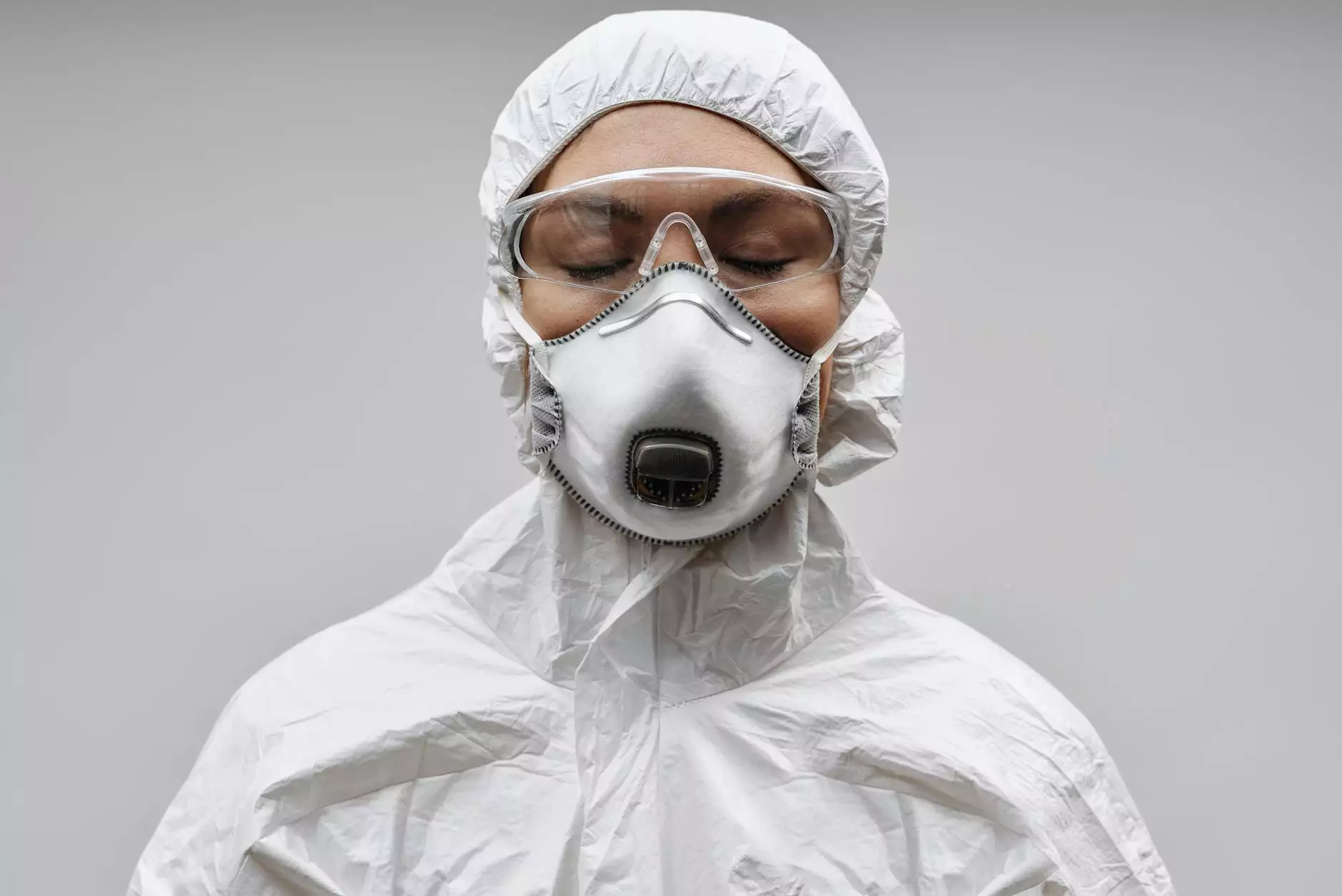
In today's world, the importance of professional cleaning services, especially biohazard cleaning jobs, has become increasingly significant. These roles play a vital part in maintaining public health, safety, and well-being. Whether it’s due to a crime scene, a traumatic event, or contamination, biohazard cleaning professionals are there to ensure that environments are decontaminated and restored to a safe state. In this article, we will delve into the multifaceted world of biohazard cleaning jobs, detailing the requirements, benefits, challenges, and the broader implications of this crucial work.
The Scope of Biohazard Cleaning
Biohazard cleaning refers to the specialized cleaning and decontamination of environments that expose individuals to potential health risks. The term encompasses various scenarios, including:
- Crime Scene Cleanup: This involves cleaning areas where violent crimes have occurred, ensuring all traces of biohazardous materials are safely removed.
- Trauma Cleanup: Similar to crime scene cleanup, but extends to incidents of suicide, accidents, or unattended deaths.
- Medical Waste Disposal: Handling and disposing of medical waste generated by hospitals and clinics, ensuring compliance with health regulations.
- Hoarding Cleanup: Dealing with severe hoarding situations where hazardous materials might be present, requiring careful and compassionate handling.
The Importance of Biohazard Cleaning Professionals
The role of a biohazard cleaner goes beyond just cleaning. It requires a comprehensive understanding of safety procedures, regulations, and emotional intelligence. Each job poses unique challenges that require specialized skills and knowledge. Key tasks often include:
- Assessment: Evaluating the site to determine the extent of contamination and necessary cleaning procedures.
- Decontamination: Using industrial-grade substances and equipment to thoroughly clean affected areas.
- Compliance: Adhering to OSHA regulations and local, state, and federal guidelines regarding hazardous materials.
- Documentation: Keeping meticulous records of the cleaning processes and materials used for safety and compliance purposes.
Qualifications and Skills for Biohazard Cleaning Jobs
Entering the field of biohazard cleaning requires specific qualifications and skills. Here are some essential components to consider:
Educational Background
While a high school diploma may suffice, further education in areas such as biohazard safety, environmental science, or criminal justice can be beneficial. Many companies prefer candidates with a background in:
- Environmental Health and Safety
- Occupational Safety
- Forensic Science
Certifications
Certifications can enhance credibility and knowledge in the field. Some notable certifications include:
- OSHA Certification: Understanding the Occupational Safety and Health Administration’s regulations is crucial for safety on the job.
- Bloodborne Pathogens Training: A must-have when dealing with biohazards.
- Hazardous Materials Handling: Training specifically designed to handle and dispose of hazardous materials safely.
Skills Required
Alongside formal qualifications, certain skills are paramount in biohazard cleaning jobs:
- Attention to Detail: Cleaning biohazardous scenes requires exhaustive attention to ensure that no harmful materials are overlooked.
- Problem-Solving Skills: Unforeseen challenges can arise during clean-up; hence, strong problem-solving skills are essential.
- Physical Stamina: The job can be physically demanding; hence, good physical fitness is important.
- Emotional Resilience: Dealing with traumatic scenes can be emotionally taxing; having resilience and coping mechanisms can help.
The Benefits of a Career in Biohazard Cleaning
Choosing a career in biohazard cleaning can be profoundly rewarding both progressional and personally. Here are some benefits:
Job Stability
With an ever-increasing awareness of health and safety, the demand for professional cleaning services—specifically in biohazard situations—is continually growing. This trend ensures a significant level of job stability for those in the field.
Impactful Work
Professionals in this field often express satisfaction knowing their work makes a difference. By restoring safety and cleanliness to environments, they contribute to public health and wellbeing, offering vital support to families and communities in need.
Career Growth Opportunities
The biohazard cleaning industry offers various pathways for career advancement. Individuals can progress to supervisory roles, training positions, or even management and regulatory roles within larger companies or organizations.
Challenges Faced in Biohazard Cleaning Jobs
While rewarding, biohazard cleaning jobs are not without challenges:
Emotional Impact
Professionals frequently encounter traumatic scenes that can take a toll emotionally. It is imperative to have support systems in place and access to mental health resources.
Physical Risks
Exposure to hazardous materials can pose significant health risks; thus, adherence to safety protocols and protective gear is mandatory.
Regulatory Compliance
Working in a highly regulated industry means continual education on compliance and safety standards. Keeping up-to-date with the latest regulations can be demanding.
The Future of Biohazard Cleaning Jobs
As the emphasis on public health and safety continues to grow, the biohazard cleaning industry is likely to evolve significantly:
Technological Advances
With the integration of technology in cleaning processes—such as advanced sanitizing equipment and thorough training simulations—the job landscape will continuously advance, offering professionals new tools to enhance their effectiveness.
Increased Demand Post-Pandemic
The recent global health crisis has amplified awareness and appreciation for cleanliness and sanitation in various environments, leading to increased demand for biohazard cleaning services across multiple sectors.
Starting Your Career in Biohazard Cleaning
If you are interested in pursuing a career in biohazard cleaning, here are some steps to get started:
- Research and Educate Yourself: Understanding the industry, available job roles, and necessary skills is a vital first step.
- Seek Training: Enroll in relevant courses to gain essential skills and knowledge.
- Gain Experience: Many firms hire entry-level staff and offer on-the-job training; getting your foot in the door can be invaluable.
- Network: Connect with professionals in the industry to uncover job opportunities and gain insights into the field.
Conclusion
Biohazard cleaning jobs are a critical component of public health and safety, creating a path for meaningful work and personal fulfillment. Whether you are motivated by the desire to help others, interest in environmental safety, or the stability offered by the industry, a career in biohazard cleaning can be an excellent choice for the right individual. With proper training, emotional resilience, and a commitment to safety and compliance, you can embark on a rewarding and impactful career that not only fulfills professional aspirations but makes a substantial difference in the lives of others. To learn more about opportunities in this field, consider visiting biohazardplus.com for additional resources and information.