Exploring the Importance of Thorax Doctors in Modern Medicine
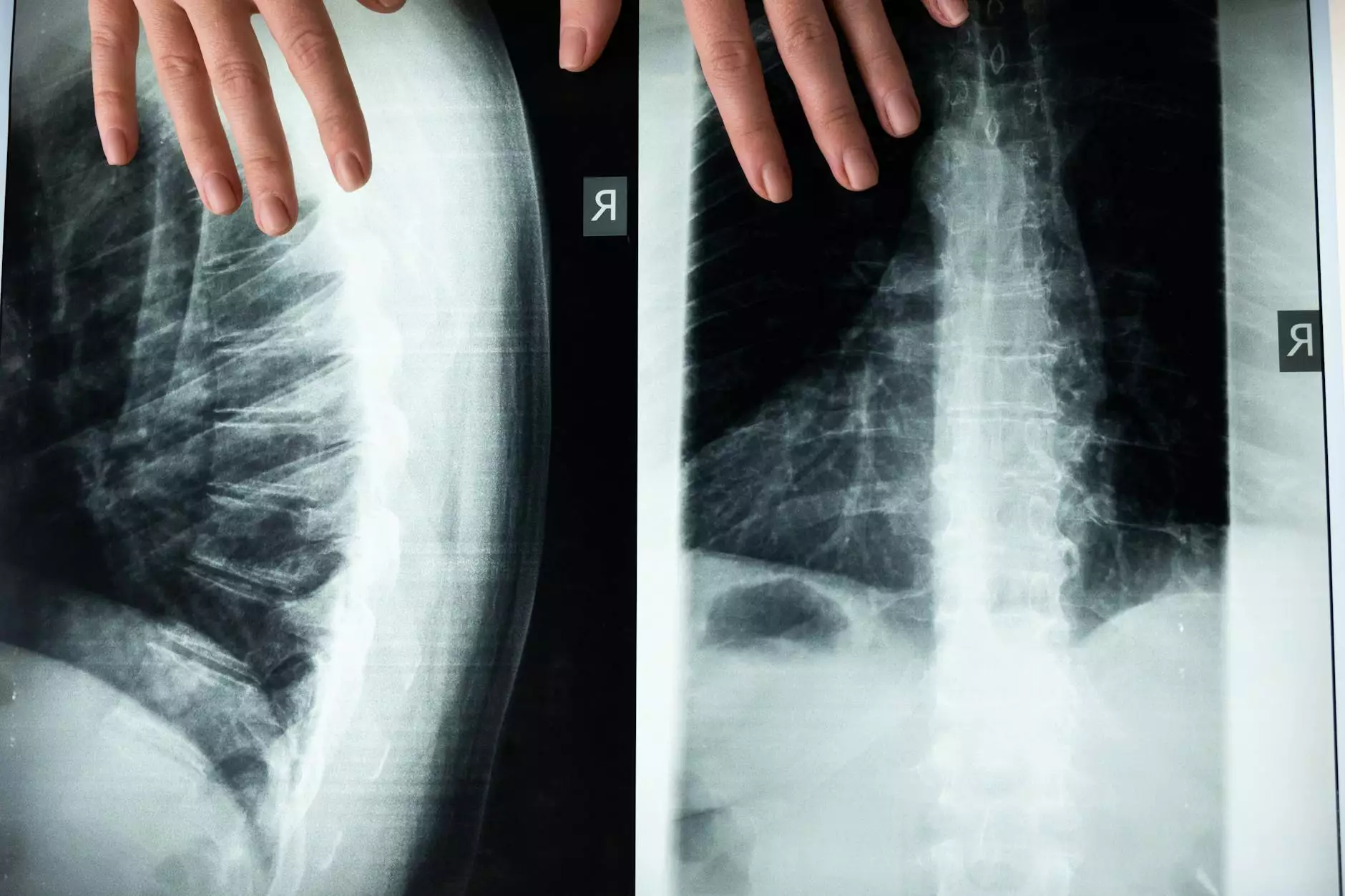
In the ever-evolving landscape of healthcare, thorax doctors play a pivotal role in diagnosing and treating a variety of conditions related to the thoracic region, which includes the lungs, heart, and surrounding structures. These specialists are integral in managing diseases that can significantly impact a patient’s quality of life. This article will delve into the various aspects of thoracic medicine, highlighting the significant contributions of thorax doctors, the conditions they treat, and the innovative procedures they perform.
The Role of a Thorax Doctor
A thorax doctor, often known as a thoracic surgeon or a pulmonologist, is focused on the surgical and non-surgical treatment of ailments in the chest area. Their training and expertise allow them to address complex health issues ranging from lung cancer to pulmonary hypertension. Here are some key responsibilities:
- Diagnosis: Utilizing advanced imaging techniques and diagnostic procedures to accurately identify thoracic conditions.
- Treatment Planning: Developing comprehensive treatment plans that may include medication, lifestyle changes, or surgical interventions.
- Surgical Intervention: Performing intricate surgeries to treat diseases affecting the chest, including lung resection and heart surgery.
- Patient Management: Providing ongoing care and monitoring for patients with chronic respiratory diseases.
- Elderly Care: Paying special attention to older patients who may have multiple health conditions that complicate treatment.
Common Conditions Treated by Thorax Doctors
The specialties of thoracic medicine encompass a wide array of health issues. Below are several common conditions that thorax doctors frequently encounter:
- Chronic Obstructive Pulmonary Disease (COPD): A progressive lung disease that causes breathing difficulties, primarily due to long-term exposure to harmful substances like tobacco smoke.
- Lung Cancer: One of the most serious conditions treated by thoracic specialists, requiring both surgical and medical management.
- Interstitial Lung Disease: A group of disorders that cause progressive scarring of lung tissue, impacting the ability to breathe normally.
- Pneumonia: An infection causing inflammation in the air sacs of one or both lungs, which may need hospitalization for severe cases.
- Thoracic Outlet Syndrome: A collection of disorders caused by the compression of blood vessels and nerves between the collarbone and first rib.
The Education and Training of a Thorax Doctor
Becoming a thorax doctor requires extensive education and training. The journey typically includes the following steps:
1. Undergraduate Degree: Completing a bachelor's degree, often in a science-related field.
2. Medical School: Earning a Doctor of Medicine (MD) or Doctor of Osteopathy (DO) degree.
3. Residency Training: Completing residency training, typically in internal medicine for pulmonologists or general surgery for thoracic surgeons.
4. Fellowship: Pursuing additional fellowship training in thoracic surgery or pulmonary medicine for specialized skills.
Innovative Techniques in Thoracic Medicine
Thorax doctors employ a variety of innovative techniques to treat thoracic diseases. Advancements in technology have paved the way for minimally invasive procedures that reduce recovery time and improve patient outcomes. Some of these techniques include:
- Video-Assisted Thoracoscopic Surgery (VATS): A minimally invasive surgical technique that allows doctors to perform lung surgeries through small incisions using a camera and specialized instruments.
- Robotic Surgery: Utilizing robotic systems to enhance precision during thoracic surgeries, making complex procedures safer and less traumatic for patients.
- Transbronchial Biopsy: A procedure that allows for tissue sampling from the lungs using a bronchoscope, offering a less invasive option for diagnosing lung diseases.
- Endoscopic Ultrasound: Combining endoscopy and ultrasound to obtain images of the lungs and nearby lymph nodes, which aids in staging lung cancer.
Advancements in Thoracic Health
The field of thoracic medicine is constantly evolving, with ongoing research and clinical trials aimed at discovering new treatments and improving existing ones. Here are some recent advancements:
Personalized Medicine
One of the most promising trends in thoracic care is the move towards personalized medicine. By analyzing genetic makeup and specific biomarkers, thorax doctors can tailor treatment plans that are more effective for individual patients, especially in the realm of cancer therapies.
Immunotherapy
Immunotherapy has emerged as a groundbreaking approach in treating lung cancer. This type of treatment helps the body's immune system recognize and combat cancer cells more effectively, leading to better survival rates and fewer side effects compared to traditional chemotherapy.
Telemedicine
In the wake of the COVID-19 pandemic, telemedicine has transformed how thorax doctors monitor and consult with patients. Remote consultations have made it easier for patients to receive care while allowing doctors to observe and track symptoms without the need for in-person visits, hence improving accessibility and convenience.
The Importance of Early Intervention
Early diagnosis and treatment are critical for improving outcomes in patients with thoracic conditions. Regular check-ups and screenings, particularly for high-risk populations, can lead to earlier intervention and more successful treatment options. Thorax doctors are advocates for:
- Routine Screenings: Encouraging regular lung cancer screenings for patients with significant risk factors, such as heavy smoking or a family history of lung disease.
- Patient Education: Providing resources and information about symptoms to watch for and when to seek medical advice.
- Healthy Lifestyle Choices: Promoting cessation of smoking and a healthy diet to prevent respiratory diseases.
Patient-Centered Care in Thoracic Medicine
Thorax doctors emphasize the importance of patient-centered care in their practice. This approach involves treating not just the disease but also considering the patient's overall well-being. Key elements include:
- Communication: Ensuring patients understand their conditions and treatments through clear and compassionate communication.
- Support Systems: Connecting patients with support groups that can aid in their emotional and psychological journey.
- Follow-Up Care: Implementing stringent follow-up procedures to monitor recovery and manage any long-term side effects of treatment.
Conclusion: The Future of Thoracic Medicine
The expertise of thorax doctors is invaluable in the management and treatment of thoracic diseases. As technology progresses and our understanding of respiratory health grows, these specialists will continue to reshape the landscape of thoracic care. Their dedication to improving patient outcomes and harnessing innovative treatments ensures a brighter future for patients facing daunting thoracic conditions.
For those in need of thoracic care, consider visiting neumarksurgery.com to learn more about the services offered and how a dedicated thorax doctor can help improve your quality of life.