The Essential Role of Barcode Label Printers in Business
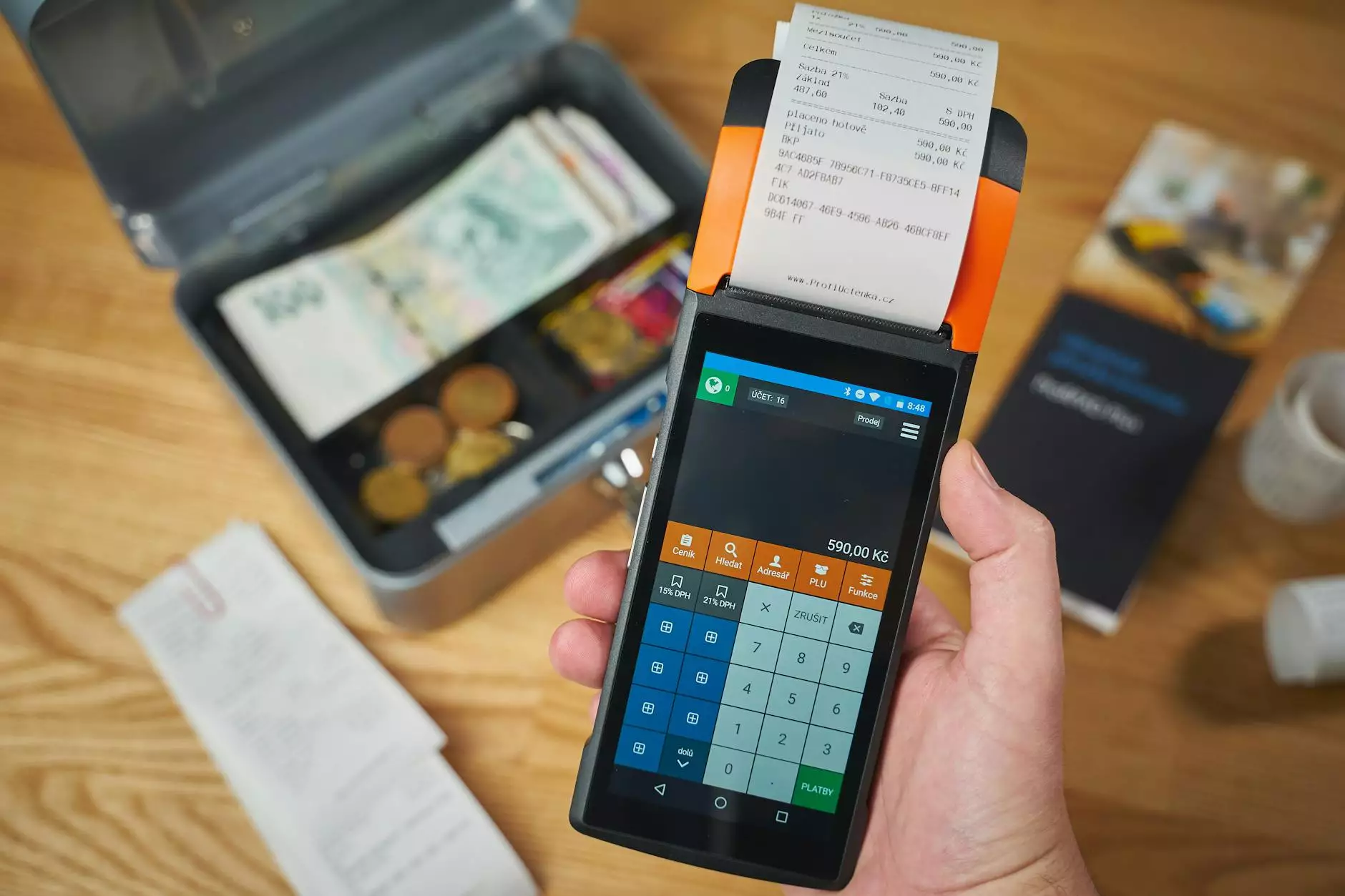
In today’s fast-paced and technology-driven world, businesses are constantly seeking ways to enhance their efficiency and productivity. One significant tool that has emerged as a game-changer in various industries is the barcode label printer. This device not only streamlines operations but also fosters accuracy in inventory management, shipping processes, and customer relations. In this comprehensive guide, we delve into the advantages, types, and best practices associated with barcode label printers.
What is a Barcode Label Printer?
A barcode label printer is a specialized printing device that produces labels integrated with machine-readable codes. These codes, which can include a range of formats such as UPC, QR codes, and more, are used to uniquely identify products and facilitate various operations within a business. The primary purpose of these printers is to create labels that are durable, easily scannable, and can be printed on-demand.
How Barcode Label Printers Work
Understanding how a barcode label printer operates can provide valuable insights into its functionality:
- Design and Format: Users can design custom labels using software programs that interface with the printer.
- Printing Techniques: Most barcode printers use thermal printing technology, either direct thermal or thermal transfer, to print labels efficiently.
- Material and Ink: Depending on the type of labels needed, printers can accommodate various materials such as paper, plastic, and synthetic materials.
Advantages of Using Barcode Label Printers
Integrating a barcode label printer into your business operations can yield several compelling benefits. Here are some key advantages:
1. Enhanced Accuracy
One of the primary advantages of using barcode label printers is the significant reduction in human error. Manual data entry is prone to mistakes; however, by implementing barcode scans, businesses can ensure that the correct information is captured and recorded accurately.
2. Increased Efficiency
Barcode label printers expedite processes by allowing businesses to create labels on-the-go. Employees can print labels as needed, thereby eliminating the delays associated with waiting for pre-printed labels. This dynamic approach results in faster processing times across various operations, from inventory management to shipping.
3. Improved Inventory Management
For businesses involved in retail, warehousing, or distribution, inventory management can pose significant challenges. Barcode label printers enable businesses to maintain accurate stock levels by providing reliable tracking of products. By scanning barcodes, staff can easily track incoming and outgoing inventory, reducing the risk of stockouts or overstocking.
4. Cost-Effective Solutions
While it may seem like an investment, a barcode label printer can save businesses money in the long run. By minimizing errors and streamlining processes, companies can reduce labor costs and enhance overall productivity. Furthermore, the durability of labels created by these printers ensures longevity, reducing the frequency of label replacements.
5. Customization Capabilities
Many barcode label printers offer customization options that allow businesses to align their labels with branding guidelines. Companies can print labels in various sizes, colors, and styles, ensuring that they not only relay essential information but also reinforce brand identity.
Types of Barcode Label Printers
Choosing the right barcode label printer is crucial for optimizing business operations. Here's an overview of the main types of barcode label printers:
- Direct Thermal Printers: This type of printer uses heat-sensitive media to create images on labels. They are ideal for short-term applications, such as shipping labels, as the prints can fade over time.
- Thermal Transfer Printers: These printers utilize a ribbon to transfer ink onto labels. This method produces more durable prints that are resistant to fading, making them suitable for long-term use.
- Inkjet Barcode Printers: While less common for barcode printing, inkjet printers can produce high-quality labels with vibrant colors. They are often used for custom labeling needs.
- Laser Printers: Similar to inkjet printers, laser printers can produce high-quality barcodes but are typically used for larger batches of labels.
Key Features to Consider When Choosing a Barcode Label Printer
When selecting a barcode label printer, consider the following features to ensure you meet your business needs:
1. Print Speed
The speed at which the printer can produce labels is essential, especially for businesses that require high-volume label production. Look for printers that can produce labels quickly without compromising quality.
2. Print Resolution
High print resolution is crucial for ensuring barcodes are clear and scannable. A resolution of at least 300 dpi is recommended for most applications.
3. Connectivity Options
Modern barcode label printers offer various connectivity options, including USB, Ethernet, and wireless capabilities. Choose a printer that allows easy integration into your existing systems.
4. Software Compatibility
Ensure that the printer is compatible with the software you will be using for label design and inventory management. Many printers come with their own labeling software, which can simplify the design process.
5. Label Size and Material Flexibility
Your printer should be capable of handling a variety of label sizes and materials to cater to your diverse labeling needs. This flexibility can save you from the hassle of investing in multiple printers.
Best Practices for Implementing Barcode Label Printers
To maximize the benefits of your barcode label printer, consider the following best practices:
1. Conduct a Needs Assessment
Before purchasing a printer, assess your business needs, including volume, label types, and application areas, to choose the right model.
2. Train Staff Effectively
Ensure that employees are adequately trained on how to use the printer and the associated software. Proper training can significantly reduce errors and enhance efficiency.
3. Regular Maintenance
Perform regular maintenance on your printer to ensure it operates optimally. This includes cleaning print heads, checking for software updates, and calibrating the printer as needed.
4. Implement Barcode Standards
Utilize industry-standard barcode formats to ensure compatibility with scanning devices and other systems. Consistent application of standards fosters improved accuracy and reliability.
5. Monitor Performance
Keep track of the printer’s performance metrics, including print quality, speed, and any issues encountered. Continuous monitoring can help identify areas for improvement.
Conclusion
In summary, a barcode label printer is an indispensable tool that can transform the way your business operates. By enhancing accuracy, improving efficiency, and supporting effective inventory management, these printers play a crucial role in maintaining competitive advantage. The investment in a quality barcode label printer, coupled with understanding its features and best practices, can prove to be a significant asset for your business. Explore the options available at omegabrand.com and take the first step toward optimizing your labeling processes today!